Monday, February 28, 2022

Pt 2 Choco Oatmeal Cookies Using Applesauce Not Butter or Oil

My batch of chocolate oatmeal cookies using unsweetened applesauce instead of butter or oil was tasty, but turned out to be a time-consuming adventure. The less-than-pleasant experiences were dough stickiness and difficulty of trying to use a cooky press. (For recipe-centric info, read  "Pt 1 Choco Oatmeal Cookies Using Applesauce Not Butter or Oil".)

My recipe at "Simplest Scratch Oatmeal Cookies", from July 2012 is indeed easy. This time, I wanted to try adding chocolate chips and also reduce fat calories by replacing oil with unsweetened applesauce. "How to Substitute Applesauce for Butter in Oatmeal Cookies" includes reasonable suggestions for the ingredients and process. The list of subs looked good.

Cookies that work well with an applesauce-for-butter substitution include chocolate chip, oatmeal and peanut butter, as long as you don't mind the cake-like texture. Applesauce would not work well in cookies that depend on butter for both flavor and crispiness, such as butter cookies or shortbread.
As in my previous recipe, I needed to soften a brick of brown sugar (this time, dark). I used the seventh bulleted suggestion from "10 Ways To Soften Hard Brown Sugar".
Need it soft now? Put it in a container and set in the microwave with a small bowl full of water beside it. Microwave for about 1 minute–check. If it’s still hard, try for another 30 seconds. You can keep doing this until it’s soft, but watch that you don’t melt it.

This time, I used a couple of two-minute heating times. After packing a cup of the sugar, I returned the remainder to its bag and fridge. (I'm guessing that by the next time I need brown sugar, I'll need to again resoften it.)

So, how'd my cookies turn out? I'd say B+. Reasonably tasty, chewiness similar to cereal bars.

Why not an A? One reason the dough was difficult to dispense—sticky, sticky sticky! The other reason for not an A was that my easiest oatmeal-cooky results looked nicer. Although the previous batch didn't have chocolate chips, I had anticipated this batch would look just as nice. Dang, wasn't so!

Dough Stickiness

Most of the sites that address dough stickiness talk about the amount of fat in the recipe, too little flour, and needing to cool the dough. Seems several pieces of advice pertain to roll-out dough. (Mine were drop kind of cookies.) As my recipe used applesauce instead of butter or oil, reasonable advice seems to be to lightly wet dough or try other means of dispensing dough.

"Cookie Dough Too Sticky – How To Fix It" recommends wetting hands.
You can handle the sticky dough with wet hands more easily. Keep in mind that you will need to wet your hands repeatedly until you are finished working with the dough to prevent it from sticking to your hands. ... However, don’t do this for too long, as this water will transfer to the dough and make it wetter and therefore stickier.

"Help! My Cookie Dough is Too Sticky & Wet: (exactly) How to Fix It" has some advice that might be helpful another time.

If you’re working with a sticky cookie dough and struggling to get it in the oven, don’t try and get it on the tray with your hands. ... Instead, use a spoon or ice cream scoop or cookie scoop (recommended) to get the dough onto the baking tray. ... This is great for doughs that are okay to be a bit more sticky and don’t need to be rolled out or cut-out.

Initially, I tried my cooky press. I gave that up within three dollops, as the dough stuck in the chamber all three times, which I needed to coax out with a spoon. I switched to using my 1 1/2 T cooky scoop. That worked, but slowly, as dough kept sticking to the scoop's exterior. The spring squeezer was a bit clunky to eject the dollops fast.

I've used the spatula-and-tablespoon method in the past for other cookies. It is a slow method because the dollops, besides, being one a time, requires two-hand scoop/unscoop.

The next batch, I'll try my adjustable measuring spoon. In any case, I'll keep a bowl of water and towel nearby in attempts to prevent dough superstickiness.

Oatmeal for Thought—Quick Oats, Non-quick Oats, ...

Google results for "can i substitute quick oats for old fashioned" show loads of info for contrasting oats and also includes q/a, whether you're curious, or readying to bake with oats.

"Oatmeal Cookies" advocates quick oats—"tend to make the cookie softer. ,,, it’s what I always have in my house. Instant oatmeal also cooks faster (even in cookie form)".

"What kind of oats do you use for baking?" describes rolled, quick, ground, and steel-cut oats. The author advises about making oat flour, with caution.

If using too much oat flour, baked goods may turn out dense, heavy and flat because the lack of gluten prevents the flour from trapping gases that give rise to the dough or batter.

"One-Bowl, No-Mixer, No-Chill Oatmeal Cookies" sounds promising for ease. The list of ingredients and instructions look handy for novice bakers. She advises against using quick oats, that they "have a much different texture than rolled oats and would act more like a flour in these cookies. Your homemade oatmeal cookies would wind up being too dry."

Good luck with feeling your oats!


"Simplest Scratch Oatmeal Cookies"

"Pt 1 Choco Oatmeal Cookies Using Applesauce Not Butter or Oil"
recipe-centric info

"Pt 2 Choco Oatmeal Cookies Using Applesauce Not Butter or Oil"
closer looks, additional resources

Pt 1 Choco Oatmeal Cookies Using Applesauce Not Butter or Oil

The web has loads of recipes for making oatmeal cookies. My batch was meant to be about as low-calorie as I could make, but chocolate chips would be mandatory! (About a month ago, I made a split batch of oatmeal cookies—one portion being chipped and the other portion unchipped. Chipped were tastier.)

This article is more of a guide for the cooky recipe, intended for those who have cooky preparation experience. You should know about recipe utensils and equipment, ingredients, recipes steps, and reading between lines. For more elementary cooky preparation info, visit "Simplest Scratch Oatmeal Cookies",

Two Main Recipe Guides

"Oatmeal Cookies (with Oil instead of Butter)" lists the most reasonable number of ingredients. The methodology looked sensible to follow. I subbed applesauce for oil, bumped up the baking soda, and omitted the cinnamon. Note: My brown sugar was bricky, so I revived it by microwaving it in a bowl beside a bowlful of water for a couple of 2-minute sessions.

"How to Substitute Applesauce for Butter in Oatmeal Cookies" provides advice for the applesauce substitution. The site includes sections titled "The Method" (mixing sequence), "Find the Best Ratio" (1:1), "Cooking Time and Results" (descriptive differences), and "Other Considerations" (oatmeal cookies being suitable for applesaucing).

Ingredients (preheating oven 350 a good idea at this time)

1 cup unsweetened applesauce
1 cup packed brown sugar
2 eggs
1 tsp vanilla
1 cup flour
3/4 tsp baking soda
1/2 tsp salt
4 cups oats (I used quick-cooking type.)
8 ounces (1 1/2 C) chocolate chips
Spray oil, needed because the dough has no butter or oil

Combining Ingredients (tilt-head mixer advised)

  1. Whisk together in a smallish bowl: flour, baking soda, and salt
  2. Mix together in a larger bowl or tilt-head mixer bowl: eggs, vanilla, brown sugar
  3. Stir flour mixture into the wet ingredients.
  4. Stir in the oatmeal.
  5. Stir in the chocolate chips.

Dispensing Dough

Before dispensing, I used spray oil on each pan, except for one pan with 6 dollops that I forgot to spray. Oops! No surprise that those didn't easily lift off the pan after baking.

At first, I stuffed dough into a cooky press that I modified a disc for. However, the sticky dough was uncooperative, sticky to the cavity more easily than dropping onto the pan. Lost cause. I dumped the dough back into the mixing bowl. I settled on using a 1 1/2 T cooky scoop and, clumsily, rubber spatula, and fingers.

I then tried pressing dollops flatter—time consuming and stickiness ickiness. For a future batch, I'll try wetting fingers between dollop droppings (grin). Might also try my adjustable measuring spoon.


Baking and Results

I baked each panful 10 minutes. The yield was 72 (and tasty). The cookies didn't rise or expand by much. At least they were about 2" diameter. I wasn't sure if I should have put in more baking soda. They were a little crunchy outside and a little soft inside. In a few hours till end of cookies (5 days, refrigerated after cooling), they were still somewhat soft and chewy, similar to cereal bars.

Calories and Sodium

Initially, I used stats in packages, then suspected lots of potentially tolerance errors. Many of the stats referred to single-serving sizes, such as a portion of a spoonful or cup. I Googled for calorie stats for cupful of flour, brown sugar, and chocolate chips. Sure enough, my second set of numbers better reflected realistic amounts of ingredients used.

The recipe focuses on applesauce instead of butter/oil and includes chocolate chips. The sodium is the same for three options.

Comparison for using butter/oil instead of applesauce, add 1600 C, subtract 120 C.
3920 + 1600 - 120 = 5400
5400 / 72 cookies = 75 C each

Comparison for skipping chocolate chips, using applesauce instead of butter/oil, subtract 1209.

(Eight ounces of chips amounted to 12 cookies. Hypothetical yield = 60 cookies.)
3920 - 1209 = 2711
2711 / 60 cookies = 45 C each

Comparison for skipping chocolate chips, using butter/oil instead of applesauce, subtract 1209 and 120, add 1600.
3920 - 1209 - 120 + 1600 = 4191
4191/ 60 cookies = 70 C each

"Simplest Scratch Oatmeal Cookies", used similar ingredients as the last recipe, but differing amounts. The yield was 56 cookies, calculated to about 63 calories each. Those cookies actually came out prettier. Maybe my next oatmeal cooky session will be the use-oil recipe, with chocolate chips.

Hmmm, I don't recall dough stickiness being as difficult as the applesauce hack. Yeah, more calories/cooky, but maybe more easy to dispense. I'll try the cooky scooper and adjustable measuring spoon, hoping the dollops are reasonable handling.


"Simplest Scratch Oatmeal Cookies"

"Pt 1 Choco Oatmeal Cookies Using Applesauce Not Butter or Oil"
recipe-centric info

"Pt 2 Choco Oatmeal Cookies Using Applesauce Not Butter or Oil"
closer looks, additional resources

Saturday, January 29, 2022

Pre-spring Yellow Flower Jan 7 2020 Was a Fooler!

Imagine my amazement and joy in spotting the beaut during a walk in 40-degree weather January 7! Poked around online for yellow flowers in Central Texas. Yes, big net. "33 Types of Yellow Flowers" looked promising with Sunflower Helianthus. Daisy Asteraceae and Black-Eyed Susan Rudbeckia were distant candidates. Each of these three flower types has a relatively large dark center that contrasts with its yellow petals.

I Googled for "Sunflower Helianthus", then decided that images search was more sensible. Eventually, I moseyed over to "Helianthus annuus" and "Sunflower Helianthus central texas".

In the back of my mind, some details about the bloom I pic'd piqued my curiosity. When I returned to the pic place on 1/21, hoping to see its condition, I noticed it gone. I wondered if someone dug it up. I noticed the area seemed undisturbed. Even took a pic. Hmm. Another curiosity was it having been a solo bloom. My scant recollection with sunflowers was that they grow on stems, and grow in groups. This solo bloom sat atop coarse-mulch stuff and near a limestone (maybe) rock.

A few days later, I went back to take better pictures of the area. The homeowner and daughter happened to drive up. I asked them if they had seen a sunflower where I pointed. She said yes, walking up a few concrete steps. She pointed to one, picked it up, then tossed it closer to me. The bloom's looks inspired me to look up "artificial sunflowers". "Honey Bee Sunflower Bouquet" displayed some images that closely resembled the specimen.

"Yellow Sunflower Blossoms, Artificial Flowers (8 Blooms)" had an even better AHA-the-bloom's-not-real image. The fourth thumbnail was an image of the bloom's underside, showing a prominent plastic stem socket.

A day later, I spotted the "bloom" where the girl left it. I picked it up, placing it close to the original spot of 1/7. Pic'd it, recorded it with zoom in/out, rotating and flipping the bloom. The second image above is a composite of a still image with its plastic stem socket.

Even though the bloom was a fake, I felt it worthwhile to have done online searches to determine the fake's intended flower type. The following links are helpful in case you want to know more about wildflowers, which the sunflower is considered to be, and sunflower relations.

"US Wildflower's Database of Yellow Wildflowers for Texas" has a decently varied catalog with images and scientific names. Four instances of "Helianthus" helped narrow the search for sunflowers.

"Texas’ Top 20 [Wildflower] Field Guide" has a nice collection with pix and summaries, including an entry for the common sunflower.

Common sunflower (Helianthus annuus) blooms March through December in vacant lots, fields, pastures, open stream banks, and along roadsides and railroad tracks throughout the state. Texas boasts some 19 species of wild sunflowers, ...

Although lacking information about sunflowers,"Hill Country Wildflower Identification Guide" has stunning pix and primer info for area wildflowers.

"Sunflower Care & Planting - Growing Sensational Sunflowers" is a nice primer of varieties with great pix. It also has an index of links to additional flower types.

Annual sunflowers bloom during summer and into autumn. Sow new plants every few weeks and you’ll enjoy non-stop flowers until the first frost. Perennial sunflowers bloom for a period of 8-12 weeks with some beginning as early as July and others finishing as late as October.

"15 Standout Sunflower Varieties" also has a nice collection of specimen pix and info. Some text and pic at the Choco Sun example nudged me to do an image search for "Helianthus annuus 'Choco Sun'". Many of the results sure seem to resemble the plastic bloom. OTOH, "chocolate sunflower" has starkly different petals!

I think I'll not be ever again fooled by a solo bloom in early January. Not sunflowers, anyway. In any case, finding more info about them and additional wildflowers was lots of fun!

Saturday, January 22, 2022

Brussels Sprouts Spicy N Cheesy Omelet

A few months ago, I'd bought some frozen brussels sprouts (supposedly healthful veggies). Didn't seem too tasty in the first two recipes I tried—slightly bitter. I then tried making a 2-egg omelet with loads of cheese, some diced chiles, salsa, cumin, and cooked sprouts. Bingo! The sprouts became part of a delivery system for the other flavors.

Google results for "brussels sprouts recipe" provided q/a that warmed my heart—"How do you get the bitterness out of brussel [sic] sprouts?". Short answer—"Add fat". Longer answer is at "13 Ways to Make Brussels Sprouts More Delicious Than Ever".

Brussels sprouts are known for having a bitter flavor. Using a bit of fat either when cooking or just before serving can help remove some of that. Well, it doesn’t remove the bitterness. What it does is coat the tongue (and taste buds) lightly making the bitter less easy to detect.

The article advocates additional suggestions. One that I'd taken to heart without having first knowing about cheese.

Cheese is fatty and it’s also salty so it totally helps with the whole bitterness problem. Salty and/or creamy cheeses are your best bet.

For my fats ingredients, I used spray oil and added lots of cheese. The salsa and chiles are additional distractors.

View my video for the following sections:

  1. Ingredients for omelet filling
  2. Equipment
  3. Filling preparation (heating sprouts, and adding green chiles, salsa, cumin powder)
  4. Omelet eggs preparation
  5. Finished omelet
Are you game for multiple recipe ideas for brussels sprouts? "32 Mouthwatering Brussels Sprout Recipes" and "30 Best Brussels Sprouts Recipes That Are Full of Flavor". These recipes sound like good delivery systems for just about all tastes!

Friday, December 31, 2021

2021 Christmas Decorations Tour

In late 2020, I'd posted "Pre-pandemic Neighborhood Christmas Decorations--Yea, 2019" with video link. I didn't even bother to collect images for 2020 Christmas.

Why 2019 Christmas decorations? Partly because I had pix that I didn't get around to organizing. Another reason is my mental contrasting what I've seen this year to what I'd taken pix of last year. Seems this year I've seen fewer balloons (varieties and quantity).

As I recorded this week's visuals, I sensed subduedness similar to last year in decorations. One site seems to physically epitomize the mood, although maybe coincidental. I recognized many of the inflatables, rearranged in different areas than 2019. However, two had been deflated since a day or two before Christmas. Several inflatables were airless even on Christmas day, the day I thought would most likely display festive, jolly puffiness.

I had picked Christmas day and day after to capture sights. It was good I captured a few on the 25th. By the next day, two were already removed. As of today, I noticed more empty spots. Maybe the unseasonably warm conditions have inspired people to remove wintry sights.

The 2019 tour video differs a bit from this year's tour video. In 2019, I took still pix at 16 sites, some in the day time, some at night. This year, I recorded clips from 26 sites, all during daylight. Seems the most dominant decorations include Santa, deer/reindeer, decorated-tree balloons or adorned trees, snowmen, and baby penguins.

As I started organizing my project clips, I initially felt the pandemic pall colored my perception of the decorations. As I continued the process, my spirits lifted. In comparing my 2021 captures to my 2019 (pre-pandemic) captures, I notice more and varying images, not fewer. Hope you enjoy the ride and sights! May 2022 be more joyous than 2020 and 2021!

Thursday, December 23, 2021

Musement Over 2021 Holiday Season Ad Circular

A recent Bed Bath & Beyond ad circular had a gift suggestion that caught my eye for weirdness: Battery Storage System. My curiosity nudged me to look online. Surprisingly, battery storage containers seem to be mainstream.

BB&Y's web page calls it "Battery Daddy", displaying double-sided storage. It even comes with a built-in battery tester. Surprising is almost 700 reviews, 4.8 rating. Maybe the optimal molded design for maximum storage space and built-in tester makes the product a reasonable purchase. But as a gift, hmmm.

The BB & B circular got me to thinking about my "Hammacher Schlemmer Mmy Oh Mmy" blog article I wrote in December 2016. The company Hammacher Schlemmer provided me plenty of offerings to, yeah, snicker at. It even inspired me to come up with a kidding article title. A few eyebrow-raising items: Battery-operated spinning fork, Stanley Cup-shaped air popcorn popper, Flameless marshmallow roaster

BB & B sells interesting household items, but sometimes I think the offerings are messages to spend, spend, spend. The beckoning seems especially prominent during back-to-school and Christmas time frames. Anyway, onward to some eye-catchers in the circular, which I found online!

Drinkware

"New Sports Drinkware", $24.99 to $39.99 image showed a few drink containers. The price range for such items struck me as pricey. I poked around the web page and found a lot more variety. And sorting for price resulted in a goodly number of items well below the price minimum of $24.99.

Coalish Soap Bar

The BB & B pic showed "Bad Ass Lump of Coal" in big letters. How intriguing! The title showed "Duke Cannon 10oz Lump of Coal" for $7.99. OMG! Eight dollars for a lump of coal! Would this be the 21st century version of Pet Rock? No! The BB & B web page, and closer look at the ad shows the product to be "Duke Cannon® 10 oz. Big Ass Lump of Coal Activated Charcoal Soap". Surprisingly, 202 reviews w/4.9 rating. Sigh! Eight bucks for a gimmicky bar of soap! Also, the circular categorized it as an under-$25 stocking stuffer. Sure, it's under $25, but "stocking stuffer" scope and cost seem to have expanded over time.

Hot Chocolate, 1 1/2-Ounce Spoonful</p>

"Hammond's 1.5oz Milk Chocolate Dunkin Spoon" caught my eye for specific function and cost. BB & B's website ("Hammond's® Milk Hot Chocolate Dunking Spoon") didn't show much detail. Googling "hammond's hot chocolate dunking spoon" yielded enough info that I inferred that stirring one of the $2.99 items and one cup of hot milk together would make a cup of hot chocolate. Sorry, seems pricey and overwrought. You want hot chocolate? Buy a multi pack of hot chocolate powder (Carnation, Nestle, Swiss Miss, ...) at your grocery store, dump an envelopeful into a cup, and pour boiled water, stirring the stuff. Mmm, remember to buy marshmallows!

Celeb Wrestler Trio Pez Pack

The circular showed a Christmas-themed Pez kit, but I couldn't find that particular item on BB & B's site. For that matter, as much as the search field suggested Pez terms, the results showed precious few. Plain "pez" works ok. An amusing offering—"Pez WWE Gift Set" for $11.99. Yikes! Only 1.74 ounces of candy! Further digging yields info about the dispenser heads—Dwayne Johnson (The Rock), John Cena, and The Undertaker. I'd not heard of The Undertaker till just now. Anyway, WalMart shows a wacky current price of $57.17, and out-of-stock blurb. A little more description and better price is at "WWE Boxed Pez Set - John Cena, The Rock and Undertaker" for $10. Apparently, the Undertaker took over Hulk Hogan's spot.

Popcorn Poppin'

The circular showed a stovetop popcorn popper for $26.99. I searched for "popcorn poppers" at BB & B's site, and was amazed at so many varieties of devices! Several of them use microwaving, one is an air popper, and several look to be stovetop. Something about Whirley Pop seems fussy with needing oil and watchful eye. Google displayed good results and q/a for "how do you use a whirley pop popcorn maker".

I still use my Wearever air popper from late 70s, nearly identical to "Popcorn Pumper Commercial From The 70's", adding melted butter and salt afterward. That machine was built to last! However, if I were to switch to a microwave popper, I'd poke around Google search results for "best microwave popcorn popper".

Product Hesitancy this Season

Do I sound like a bah humbugger in this article? Hope not by much. The fast approach of Omicron has discouraged me from casual shopping and crowds. News of supply-chain problems makes me think all sorts of items would be in short supply. Lastly, maybe firstly, I consider a lot of Bed Bath & Beyond's proffered products to be frivolous, expensive, or both, intended to encourage impulse buying, the novelty to wear off quickly. Nope, not going there!

I didn't intend on picking on Bed Bath & Beyond, except that particular circular was a rare arrival this holiday season. In the more distant past, loads of catalogs and other advertisements used to come in the mail. However you shop this season, good luck to you!

Tuesday, November 30, 2021

Kwik N EZ Veggie Chili

View the slide show video. This single-serving dish calls for 1/4 package of frozen veggies (four ounces), 1/4 can of beans, chili flavor rec'd (slightly less than four ounces), and two ounces of shredded cheese.

  1. Cover and microwave veggies for about 3 minutes.
  2. Cover and microwave beans for about 90 seconds.
  3. Stir beans into veggies; sprinkle cheese. Microwave for about one minute for cheese-melt gooeyness.
  4. Eat the mixture with tortilla chips for a dippy meal.

The recipe is conveniently expandable for up to four eaters. Choose dish/bowl sizes for separate servings. Or, if using larger community servers, go for wider rather than deeper. Also, microwave for longer times as appropriate.

Guarnicion Blend Vegetables

"H-E-B Sabor Tradicional Mezcla Guarnicion Blend" is my favored frozen veggie mix. Broccoli, cauliflower, corn, and carrots make up the small-chunks mix. If your store doesn't carry it, you might need to cut your own. A close similar item might be Normandy mix.

Normandy Blend Vegetables

My supermarket sells "H-E-B Select Ingredients Broccoli Normandy Blend", listing "broccoli, cauliflower, and carrots". These cuts are larger than the Guarnicion blend veggies.

"Are Normandy veggies Norman?" describes the connection to "Normandy" and vegetable blends. Some blends depend on the brand you buy.

Birds Eye’s Normandy Blend, a mix of broccoli, cauliflower, carrots, zucchini, and squash. Other frozen food brands include variations on that blend. Costco’s Kirkland Signature Normandy-Style Vegetable Blend, for example, contains broccoli, cauliflower, and carrots.

Bird's Eye brand "Normandy Blend" lists "broccoli florets, cauliflower florets, sliced carrots, zucchini, and yellow squash". The variety is appealing, but cut sizes appeal more to me as a veggie side than chili dish. The supermarkets that sell this brand in my area seem to be WalMart and Target.

Mixed Vegetables

These veggies are small-sized, but maybe a bit ordinary. "H-E-B Select Ingredients Mixed Vegetables" lists a mouthful—"carrots, peas, green beans, corn, baby lima beans". Eh, info online indicates that peas, corn, and lima beans are not great as healthful plant foods.

Canned Beans

I'm minimizing addressing canned beans. Loads of bean types and flavorings. Go down the canned-beans store aisle and pick something that appeals to you. I'd suggest shaking cans to infer value. Lots of slosh indicate lots of fluid compared to bean amounts. Not a great value to buy mostly water.

Cheeses

Cheese is another topic I'm mentioning sparingly. Pick what you want, whether single type, several types, or mixture. My supermarket's results for "colby cheese" show several products where colby is paired with Jack cheese. "Colby VS Cheddar – 4 Differences To Tell Them Apart" triggered a long-lost memory of having bought colby and it seeming to lose its freshness sooner than cheddar.

Wednesday, November 24, 2021

2019 Halloween, Pre-pandemic Year

A couple of months ago, I met the owner of a house that I had taken pix and videos of for occasional years for Halloween and Christmas. The family was getting ready to move; I said I'd miss the holiday decorations. I offered to send links of YT videos and pix that featured decorations at the house. In poking around my files, I discovered my unprocessed stash of 2019 Halloween images.

I've posted Halloween images for 2018, 2020, and 2021. I'm late for putting out 2019, but I might as well complete the set. Hoping to be more timely for 2022.

The pandemic came early in 2020. The images I captured in 2019, imho, convey more carefree times with no inkling of the coming year's pall and caution over contact during Halloween. The video includes scenery from 25 houses, mostly whimsical. I went on a tear on October 31, 2019 with total of 50 pix and videos. On a few other days of recording and pic'ing, I was less ambitious.


2022 Halloween Nearby Tour
Roving Around Halloween 2021
2020 Halloween Meandering
2019 Halloween, Pre-pandemic Year
Halloween Scenes Around (2018)
Related: April Fooling Easter Halloween and More (from 2018)

Enjoy YouTube Halloween themes playlists: "Baker's Dozen Halloween YouTube Links", "Halloween Music Baker's Dozen Matter"

Sunday, October 31, 2021

Roving Around Halloween 2021

It's gotten to be a tradition with me to wander/rove around to find Halloween scenes. This year, I decided to video-record the sites. In the past, I've been more likely to take still images and some videos. I've learned to embrace recording because of panoramic views, easy zoom and pan for size and location references, and winds that provided visual effects. View the video.

I made the rounds to the 21 sites a few days ago. (Last year, I'd stretched my touring days out and even collected some just before trick or treaters would start their haunts.) Seems many of this week's stars are skeletons and inflatable balloons (big'uns!) Goodly amount of small-scale tombstones.


2022 Halloween Nearby Tour
Roving Around Halloween 2021
2020 Halloween Meandering
2019 Halloween, Pre-pandemic Year
Halloween Scenes Around (2018)
Related: April Fooling Easter Halloween and More (from 2018)

Enjoy YouTube Halloween themes playlists: "Baker's Dozen Halloween YouTube Links", "Halloween Music Baker's Dozen Matter"

Wednesday, October 20, 2021

Red-tailed Hawk Catches Mid-day Squirrel Meal

Captured images in early 2020 of a red-tailed hawk—from initial perching on first tree to perching on second tree with its captured squirrel meal. View the video for the six sections.

Red-tailed Hawks, Segue to Additional Hawks

Various sites display basic info about this hawk's length (slightly less than two feet), weight (3 pounds, give or take a few ounces), wingspan (four feet or so), and scientific name (Buteo jamaicensis). The following sites helped me obtain my own bird’s eye view for hawks:

  • "Red-Tailed Hawk" provides some basic info about this distinctive bird of prey.
    Genders are similar with brown mottling on the upperparts, though the amount of white in their plumage can vary greatly. ... Red-tailed hawks are commonly seen perched on poles, fences, or trees near roadsides as they scan fields for prey.
  • "Interesting Red Tailed Hawk facts" provides loads of images in describing 13 facts. All facts interesting, the most significant to me were ones that addressed hunting capabilities and territory.
    They have a very keen eyesight that is 8 times as powerful as a human's, ... In flight, this hawk travels at speeds from 20 to 40 mph (64 km/h); however, when diving to catch prey, their speed may exceed 120 mph (190km/h) ... They tend to keep the same territory their whole life; it can be as large as 9.6 square miles (25 square kilometers) ... The birds defend their area with aerial displays of steep dives and climbs, ...
  • “Red-tauked Hawk” has basic info, habitat map, and link to a YT video that features several calls. Visit the rest of the hawk section to compare and contrast it with other hawks. For further distraction, peruse the site for even more raptor species info.
  • "Texas Hawks and How to Tell Them Apart" provides good guidance with pictures, descriptions of features, and comparisons among the various species. (The info about the red-tailed hawk is the first listed species.)
  • "14 Species of Hawks in Texas (With Pictures)" is well- organized with length, weight, wingspan info in addition to descriptions and pix. As in two preceding resources, the red-tailed hawk is the first section on the list.
  • "Identifying Raptors" primarily features the red-tailed hawk. To a lesser extent, the video discusses a few other hawks, but not other predator genuses. (The title is misleading because of "raptor" in the title.)

Bird Parts and Wing Parts

This section is an overview about bird and wing identification. (I had run across some sites about red-tailed hawks and other hawks that mention terms unfamiliar to a non-birder such as myself.)

  • "Parts of a Bird" introduces basic anatomy, accompanied by an image with identifiers: head, neck, back, rump, tail, undertail coverts, wing, leg, foot, flank, abdomen, chest, throat, chin.
  • "How to Use Wing Structure to Identify Birds introduces wing anatomy, accompanied by two images (in flight, perched) with identifiers. These labels were especially helpful for several sites that used the terms: wingtip, wrist, patagium, coverts, primary feathers, secondary feathers, wingspan, wingpit. "Patagium" was  totally new to me; several other terms more clear to the part they pointed to.

Curiosities During Research

As I started viewing and editing stills and videos to organize a video, several questions came to mind:
  • Are all predator birds raptors?
  • Do birds of prey stake out territories and become familiar with areas?
  • How does a hawk hunt and capture its prey?
  • Why do some birds' feathers reach ankles?
  • Are leg feathers more common among predator birds?
"Why is a bird of prey called a bird of prey and what is it?" explains bird of prey and raptor meaning the same thing:
The victorian scientific name for birds of prey is RAPTOR. This name comes from the latin word meaning a Plunderer – someone who seizes and carries away. That is pretty much what birds of prey or ‘raptors’ do – they seize, or grab their prey and carry it away.

"Raptors" is a good introduction to the four groups of raptors. If interested in more, Googling each type results in much more information. (A little odd to me was the very short eagles section.)

Hawks: "genus Buteo ... broad wings ... powerful feet and strong talons to bind to their prey constricting it in their grasp and puncturing vitals" (noting red-tailed hawk in this group)
Accipiters: genus Accipiter ... short wings ...constant state of motion" (noting Cooper's Hawk in this group)
Eagles: "genus Aquila ... long, broad wings"
Falcons: genus Falco ... longwings” (noting Peregrine Falcon in this group)

"Top 20 Amazing Facts About Hawks" shows great images to go with their listed facts. The five I pasted are the most noteworthy, two of them pertaining to sight. Two others  pertain to my curiosities about hunting characteristics. The "mantling" interested me because my footage showed the hawk's seeming attempt to shield its squirrel upon return to the first tree.

Hawks have excellent eyesight. They can see up to 8 times more clearly than the sharpest human eye ... Hawks are able to catch prey both in the air and on the ground. They use their talons to both catches [sic] and kill their prey ... The bird may eat on the ground or carry its kill to a feeding spot, often a fencepost or tree limb, where it plucks its prey and tears the meat apart with its beak ...Hawks can see colors, like most humans can, as well as those in the ultraviolet range ... Hawks will frequently "mantle" prey, crouching and spreading their wings to form a shield that hides it from other predators ...

"How Do Hawks Hunt? (7 different methods & how to observe)" is informative for the names and descriptions of the methods. The hawk I recorded definitely used the perch and swoop method. The article's accompanying image is very similar to my hawk pix before its descent to capture the squirrel.

In viewing my subject red-tailed hawk's images and clips, I noticed feathers around its legs that made them puffy-looking, maybe exaggerating leg girth. I thought about images of eagles with feather-loaded legs, wondering if raptors typically had feathery legs, unlike lots of birds and poultry that are bare-legged. "Rough-legged Hawks and Feathered Feet" clarifies:

most hawks and eagles have bare legs, ... Eagles in the genus Aquila, which includes Golden Eagles, all have feathered legs, but the hawks of the genus Buteo include both feathered and unfeathered types.

Odds and Ends

A significant part of my topic's effort pertained to items (camera, graphics tools) used, parameters, and image/video post-processing.

Camera: Canon PowerShot ELPH 190 IS
Stills: 5152 x 3864 (cropped, some composited/reduced to 1280 x 720)
Vid: 1280 x 720, 25 fps

Tools:
GIMP 2.10.8 (color/contrast, scaling, cropping, captions)
OpenShot 2.4.3 (video editing)
Kdenlive 6.12.0 (image stabilization part of video editing)

Thursday, September 30, 2021

Auther, Authur, Author, Other

eth, thorn, etc.
Two misspellings, then correct spelling ("author") led me to think of "other". Although directly unrelated to auther/authur/author, "other" letters spell like they could have been pronounced with a short "o" and unvoiced "th". It also seems illogical that the "o" is pronounced as a short "u". These thoughts nudged me to write about some language items, such as some older English-language letters, consonant pairs, silent letters, vowels, and the schwa.

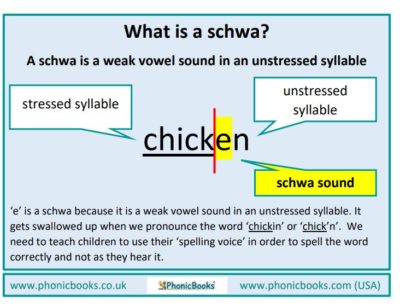
I'm usually an excellent speller. Recently, however, I caught myself having spelled auther, then authur, then author. (Finally, correct spelling!) I thought about the letters I used in those words. "Au", in author's case, is pronounced with a short "o" sound. The "th" in author is unvoiced. The last vowel in author is 'schwa'ed". Thus, the unaccented syllable has a vowel that sounds all the same to me--a bridge between the consonant pair and the "r". The schwa is a catch-all vowel sub that's barely there, imho.

Consider the following sounds and characters for "other":

  • The "o" is actually pronounced with a short "u" sound rather than a short "o" sound.
  • The "th" sound is voiced.
  • The last syllable's vowel has that multipurpose schwa sound.

Phonetically, "author" might be pronounced "other" if you were somewhat familiar with English. For the three items I've mentioned, I'll discuss the "th" pronunciation first and vowels later.

th combination, eth and thorn

Correct Pronunciation of "th" combination would seem mystifying to non-native English speakers. "We used to have six more letters in the English alphabet" and "The five lost letters of the English language" provide background on use of "th" as the voiced "eth" (example, "then") and the unvoiced "thorn" (example, "thin"). If "th" were replaced by eth (Ð, ð) or thorn (Þ, þ) symbols, pronunciation would be more obvious. (I'd be in favor!)

additional past letters of interest WRT English alphabet, ash, ethel, wynn, yogh, ...

Both aforementioned resources describe "ash" and "ethel", which actually might look familiar in "separated" images. The "ash" separates to "ae", The "ethel" separates to "oe". The "wynn", another character in both resources, resembles a "p", but is actually associated with "w". The quartz.com resource mentions the "yogh", which resembles the number "3". The description explains "gh" combinations, which I'd often wondered about.

Yogh was historically used to denote throaty sounds like those in Bach or the Scottish loch. As English evolved, yogh was quickly abandoned in favor of the gh combo. Today, the sound is fairly rare. Most often, the gh substitute is completely silent, as in though or daughter.

How about a bigger gulp of past letters in the English alphabet? "10 Letters We Dropped From The Alphabet" displays and describes the following letters: "long s", "ampersand", "thorn", "that", "eth", "ash", "ethel", "wynn", "yogh", and "eng". The video owner makes a good case for leaving the "long s" dead. Actually, the "ampersand" sneaks into areas when character count counts. Some other letters might look logical to bring back. The "eng" could shave off a letter for every gerund and present participle.

vowels

Elementary schooling teaches about a, e, i, o, and u. They teach long vowels and short vowels. Later, they insert words with two vowels side by side, pairs such as "ea", "ee", "ie" ("i before e except after c"), "oo" (weird inconsistent pronunciation, such as "hook" and "loot"). They introduce cues like "magic e" that changes a short-vowel word into with a long-vowel word. It's much later to discover numerous exceptions to rules.

I am puzzled about "o" in "other" being pronounced as a short "u" sound. Think "other" vs. "otter" or "bother". Additional short-u sounding words with "o"—mother, brother.

"Oo" and "ou" can be confusing for pronunciations. Some words with "oo" are pronounced with pursed lips, some as short u's. "Root" seems to have both pronunciations. As for "ou", some pairs combine to sound like "ow". However, various Google search results indicate Canadians pronounce "ou" in "out" and "about" as "oot" and "aboot". "Route" is pronounced "rowt" and pursed-lips "root"—seemingly correct either way (stateside, anyway).

schwa

It looks like a schwa is considered to be a sound, not a letter. I think it should be added to the English alphabet. It resembles an rotated "e". From Merriam-Webster:

an unstressed mid-central vowel (such as the usual sound of the first and last vowels of the English word America)

I'd favor using the schwa to replace all of i's, e's, o's, and u's that currently serve as "unstressed mid-central" vowels. Think of my example of auther, authur, author. Comparative word, such as "better", and a phonetic neighbors "batter" and "bitter" would be fine with a schwa instead of "e" in the last syllable. While I'm at it, I'd spell "neighbor" with a schwa instead of "o".

meandering to consonant combos

I've noticed for many years of three ways of pronouncing "ch". Maybe I've run across so many "ch" words that the correct pronunciation isn't mysterious to me. From "The 3 'ch' sounds: sh, tch, k":

It can sound like k (as in “chasm” or “school”), like sh (as in “charade” or “brochure”), and like tch (as in “champion” and “child”).

One consonant pair that has intrigued me for pronunciation is "tr", as in "tree". I hear "tchree". I sense that someone who pronounces it as "tree" (tongue pressing the backs of the two upper front teeth) would sound like a non-native speaker of English, maybe Eastern European. Related: pronunciation of "dr". Example: "Dream" sounds like "jreem" to me. "Dreem" (tongue pressing near the front of the roof of the mouth) would also maybe sound Eastern European.

Various consonant pairs seem to have one unpronounced letter. "HHow to Pronounce LM in FILM, REALM, PALM, OVERWHELM - American English Pronunciation Lesson" explains that the "l" is actually pronounced. The video also makes a good point about not inserting a vowel between "l" and "m". I tend to skip the "l" when saying balm, calm, palm, but I voice the "l" when saying realm.

"How do you pronounce “kn” in English?" explains the "k" was not always silent.

In early english, the "k" in the "kn" combination WAS pronounced, up until about the 15th century.

"Does German Use Silent Letters?" explains that the "k" in "kn" combination is voiced in German.

In English, the K is silent, like in the word KNEE. In German, both the K and the N are pronounced, and the K is hard.

The website also notes that the "ps" combination:

In English, the P is silent, like in the English word PSYCHOLOGICAL. In German, both the P and the S are pronounced, so the word begins with a ‘psss’ sound.

Additional consonant pairs I've noticed as odd, mostly because of non-pronunciation of one of the letters: mn (as in mnemonic), ph (as in phoenix), pn (as in pneumonia), and pt (as in pteradactyl). The "ph" pronunciation seems consistently "f".

Speaking of letters seen and mostly not heard, Merriam-Webster has a webpage listing and describing silent letters (from A to Z). Visit "Every Letter Is Silent, Sometimes How every letter can be (annoyingly) silent".

I hope I've piqued some curiosities about English-language characters present and past, and also about some pronunciations.


Related: "Pronunciation Musements"

Tuesday, September 28, 2021

Pairing Up Chemex Carafe and Coffee Machine Filter Basket

The 12-cup electric drip coffee maker from only 2017 quit after brewing a partial pot of hot coffee. The reservoir still had some cold water. When I poked around my supermarket website for candidate replacement coffee makers and spotted a Chemex, I thought, "Whoa! I have one of those!" I'd had it for many years but didn't use it and forgot about it.

Anyway, I made short-term use of my Chemex with the broken machine's filter basket and filters instead of hunting down square Chemex filters. (I did notice the ad also showed a separate mesh filter. My Chemex was so old it didn't come with the filter.)

How did I arrive at using the Chemex and the coffee machine filter basket to brew?

The Chemex box showed brewing instructions. The manual inside had additional info. They called for square filter papers that you fold twice and make it conical. Didn't have any such filters. The supermarket website didn't list any. Anyway, I found a YouTube video that showed the brewing process to be relatively easy: "HOW TO BREW CHEMEX COFFEE | a simple chemex brewing guide". I wondered about using filters already on hand and folding them twice, as I saw on Google that regular filters are usable.

Peering into a Chemex, Glancing into Drip Coffee Makers

"Chemex – The History & Brewing Guide" explains the chemistry look of the carafe, indicating also the association with the inventor and product name.

The Chemex is a classic and elegant brewing device that was designed by the German chemist, Peter J. Schlumbohm. ... in production since 1941. ... Schlumbohm was inspired by two laboratory apparatus: his laboratory glass funnel and his Erlenmeyer flask. He added an air channel to the funnel in order to leave space for the air displaced by the liquid dripping into the vessel to escape easily. He added a "belly button” to the Erlenmeyer and then combined it with the modified glass funnel.

Brew process starts with boiling water, placing a coffee filter in the conical area and dampening it, and adding coffee grounds. The pour process requires boiled water for "bloom", then more water in stages for optimal flavor extraction: "If your coffee is fresh enough, you will see an amazing bloom, which is the reaction of the coffee when water is added and the carbon dioxide is released."

Electric coffee makers have "shower heads" that dispense boiled water over the basket containing grounds. The coffee drips into the carafe. More recent machines have a pause device at the bottom of the filter basket so you can pour coffee before brewing completion. Caution: As pausing does not stop the brewing process, the carafe needs to be back on the hotplate quickly to prevent fluid overflow.

Musing Over Additional Past Coffee Maker Events

I had used a Melitta pourover coffee brewer in the distant past, similar to "Melitta 36 oz. Pour Over Coffee Brewer, Black". Liked it OK, but was ready to try a drip method that didn't require babysitting. My cone was transparent plastic. I don't remember the carafe, but I suspect I had broken it. I recall having tried the cone on a different-company carafe, but the seating alignment was less than perfect. I concluded that I must have tossed the cone. Maybe that cone might have seated onto the Chemex rim or fit inside the Chemex funnel part.

This recent adventure with the broken coffee maker made me think of other machines in my past. I even had an electric percolator, which I think I'd donated. (Listen to the perky music. "Time for Coffee - Singing Coffee Pot") I'd also had a Mr. Coffee, so old that it didn't have a pause feature.

Over time, I've broken maybe two carafes, bought at least one replacement carafe. Have tossed out two carafes because they didn't seat onto newer machine hotplates. Wouldn't you know, the Proctor Silex carafe is juuuust slightly too large for the Hamilton Beach machine's hotplate. In any case, I think the lesson is to never toss out functional coffee maker parts or carafes or lids.

The Chemex goes back into the box, relief pitcher again as needed.

Tuesday, August 31, 2021

Cicadas Overnite Early Aug 2021

On August 2 morning, I spotted 5 items—a live but nearly immobile cicada and four exuviae (exoskeletons). The cicada and an exuviae (Specimens A and B) were on one porch column. Another exuviae (Specimen C) was on the second column, and two (Specimens D and E) were on the third column. I don't believe the cicada had emerged from any of these exuviae, but maybe alighted in the area from elsewhere. (Nearly all of my cicada sightings have been empty-shell only.)

From past observations, cicadas abandoned their shells shortly after they molted and air-dried off. I observed one emerging cicada and periodically recorded and pic'd it during a few hours. One last time that I went outside, the bug departed, leaving its shell stuck to the step. "Molting Cicada Visitor at My Doorstep" (video, article) details that event.

Note the similarity of the 2017 bug's backside mask look to the more recent Specimen A.

This year is apparently a banner year for cicadas, often referred to as "brood X" cicadas, the X being Roman numeral for ten (10). Much of the eastern part of US got their cicadas in May. My latecomers and others in the area seemed to arrive in July and early part of August. The following resources provide good background for this year's bounty:

Speaking of emerging cicada, "Periodical Cicada transformation timelapse" shows an excellent timelapse video of an cicada emerging. The digital clock display of more than 4 hrs running time compresses into a 2-minute video.


More articles about cicadas

Monday, August 23, 2021

EZ Blender Hummus 2.0

This hummus recipe is blender based, tweaked from my first batch in June 2021 (YT video, blog article). It's thicker and smoother, very little of it getting runny by the next few days.

  • Reduced water from 1/3 C to 1/4 C.
  • Picked out more bean skins by using a slotted spoon and slotted spatula, in addition to strainers.
  • Used puree setting more often than pulse or liquefy, cautiously using rubber spatula for thorough mixing.

Related: "EZ Blender Hummus, Closer Eying 4 Ease" goes into more details and extra info about hummus considerations.


Stuck Blender Blade? Check and fix!
video, article

Friday, July 30, 2021

June and July 2021 Full Moons, Strawberry and Buck

Did you wonder about recent hoopla about names for full moons? My topic emphasis is on Strawberry (June) and Buck (July) for this year.

"[Moonname] Moon: What is it and why does the Moon have different names?" initially explains the current or upcoming full moon. It also provides names and explanations for the rest of a year's full moons, including "blue moon":

Native American tribes named it this [Strawberry Moon] because they would harvest strawberries during this time. ... But this month it will also be a supermoon - that's when the full moon looks bigger and brighter in the sky than normal because it's closest to the Earth in its orbit than most other times.

Note the July full moon (Buck) shows a Getty pic of a nice pair of bucks in front of the moon. More on the buck moon farther down.

Moon Shots

I took images for the full moons for June and July this year. June 22 was a dry run for multiple-pic taking, not many good ones showing features. June 24 was a better yield, despite threatening clouds playing hide-and-seek. July 23 was a total bust because I neglected to review my camera settings and wound up with overexposed moon shots that I couldn't post-process to obtain features. July 24 yielded good results, but unexpectedly boring--nearly all identical shots!

Strawberry Tie-ins for Strawberry Moon Shots

Strawberries, yum! I had seldom bought any for over a year. But they've re-appealed for the last couple of months. I cut the tops, rinse them off, cut the bottoms into one bowl, and cut the rest into rings and semi-rings into another bowl. I sprinkle sugar into the first bowl, cover it, and let the berries juice up overnight for cereal the next day. The other bowl (covered) of berries keep in the fridge for well over a week because of lack of fluid and sugar.

Strawberry is one of the main flavors of neapolitan ice cream, the others being vanilla and chocolate. Neapolitan helps an ice cream eater avoid having to commit to only one or two flavors when buying a carton.

Neapolitany Cakes

The strawberry full moon, which occurred June 24, was fresh on my mind when I decided to make a cake June 25. Maybe subconsciousness for neapolitan-theme cake nudged me toward ensuring strawberry on the brain. Sometime during consumption of the three-flavor cake, I decided to try a different flavor-arrangement version.

Cake #1—yellow and strawberry cake (nowhere as zebra-stripey as originally intended), chocolate frosting

The strawberry batter includes 1 package of strawberry Flavor-Aid, which might have thickened the batter that I made with 1/2 of the yellow cake batter.

Cake #2—yellow and chocolate cake (nowhere as marbly looking as originally intended), strawberry frosting

From looking at some YouTube videos, it looks like marbling is better for alternating batter splotches in a couple of passes, then dragging a knife or spatula in wide swaths. I had poured yellow batter onto two pans, then splotched chocolate batter, then dragged the spatula. Result wasn't much marbling.

Neapolitan Ice Cream

What's special about neapolitan ice cream? When did they first make it? How do the layers come together?

"Learn About the Origin of Neapolitan Ice Cream" describes the confection and its origin:

Neapolitan ice cream – also called Harlequin ice cream – is composed of three flavors. They are chocolate, vanilla, and strawberry that are arranged side by side without packaging in between them. ... It derives its flavor colors from the Italian flag. Green (almond or pistachio), Red (cherry or pink), and White (vanilla).

"How do they get the three flavours of Neapolitan ice cream into the box" provides further explanation of the factory process:

Three ice cream flavour tanks, holding about 10,000 litres, are filled with chocolate, strawberry or vanilla ice cream. ... Pipes from each tank meet in a large rectangular nozzle, which is the same shape and size as the short side of the old-fashioned, two-litre, cardboard ice cream container.

The nozzle has two dividers, thus separating the three flavours of ice cream. ... It drops down to the bottom of the box and fills it with the three bands, before moving on to the next box . ... The boxes then go into a freezer where the ice cream hardens for about eight hours

Buck Moon Shots

As mentioned previously, my slide show for the buck moon was boring—all 39 frames looked nearly identical. Sooo, a nice image with enlargement is in my video.

Buck Tie-ins for Buck Moon Shots

I was fortunate enough to record several snippets of deer with a buck in the herds on adjacent days around the buck full moon. I also included some additional buck cameo images. How can that be? View and find out!

Want additional astronomy-themed articles? Click for "astro topic" search results in my blog. Related: Sky/Astronomy Items YouTube playlist

Wednesday, June 30, 2021

EZ Blender Hummus, Closer Eying 4 Ease

The "EZ Blender Hummus" article and video pertain to the actual procedure for making a batch. I include info about some substitutions of several online recipes' ingredients for convenience. This article goes into more details and extra info about hummus considerations.

Note: "EZ Blender Hummus 2.0" YT video and blog article now available!

Chickpeas or Garbanzo Beans?

Ever wonder about the two bean names? When shopping for the beans, I had thought chickpeas and garbanzo beans were the same, but wasn't sure. "Chickpeas vs Garbanzo Beans: What's the Difference?" explains:

A chickpea or garbanzo bean both refer to a plant in the legume category with the scientific name Cicer arietinum. ... Garbanzo happens to be the Spanish term while chickpea is the common English term.

I became curious about "chickpea" as one word instead of two, and also what chick had to do with the bean. I could not find etymological reason for "chick". The chick relationship seems to be that chickens really like chickpeas. "Can chickens eat chickpeas?" states "Chickpeas are a great source of vitamins, minerals, and some other key nutrients. Plus, chickens seem to go for crazy for them".

Blender or Food Processor?

I used a very old blender because it's what I have, and no intention of buying a food processor. Turns out to be loads of recipes that use either appliance, even though I did a Google search for "blender or food processor for hummus"

"Blender vs Food Processor" dives deeply into contrasting the two appliances, not specifically for hummus, though.

a blender is a better option for items with a lot of liquid, like smoothies and soups. A food processor is best suited for foods that are mainly solid and require more labor intensive handling, such as chopping and slicing. However, since the line between food processor and blender has, well, blended, you can find high-end appliances that handle both tasks admirably.

In deciding the order of ingredients to blend, I felt smooth hummus was more likely if I blended liquids and powders first, then added the skin-removed garbanzo beans. The steps in "How to Make Hummus That's Better Than Store-Bought - Easy Hummus Recipe" seemed sensible for starting with mixing the liquids and powders, then adding the beans. (She added water later.)

Removing Bean Skins or Not

Some recipes advocate removing the garbanzo bean skins. The "Do You Need To Peel The Chickpeas?" section of "Easy Hummus (Better Than Store-Bought)" compares both batches, with pix, leaning towards skipping removal.

You can see, even from this photo that the skinless chickpeas made for a slightly smoother hummus, but in our opinion it really wasn’t enough of a difference to warrant ten minutes of skinning chickpeas.

Two sites make good cases for removing the skins for smoothness and also looks.

Using Bean Fluid or Rinsing Beans and Adding Fresh Water

A few commenters at "Homemade Hummus Dip" mentioned using the canned bean fluid (aquafaba) instead of fresh water. Retaining the bean fluid sounds good for enhanced flavor and ingredient conservation. OTOH, "Aquafaba: The Good, the Bad, and the Gassy" convinced me to, uh, start fresh—"aquafaba contains a compound known as oligosaccharides. ... The result is bloating and gas, ...."

Vinegar or Lemon Juice

I used vinegar because it's handy. I don't use lemons or lemon juice often so am hesitant to get them, then think about using up excess. In any case, "Substitutes for Lemon Juice" mentions white vinegar substitution is 1/2:1 ratio. If wanting to use lemon juice, "How Much Juice Is In One Lemon?" helps with lemon juice measurements: "if a recipe calls for 1 tablespoon of lemon juice, you’ll need to use about ½ a lemon".

Tahini or Sesame Oil

Tahini, a paste made with sesame seeds, is a main ingredient in hummus recipes. Weirdly, tahini is near peanut butters at my supermarket. Even though I bought some tahini, I decided to try subbing sesame oil. Some commenters at "Homemade Hummus Dip" mention using sesame oil, but only half as much as tahini.

Fresh Garlic or Garlic Powder

I didn't want to buy an entire garlic when I'd use only three cloves. Garlic would also need cutting up, chopping, slicing. or pulverizing. Powder form is much more convenient. "Garlic Substitutes" informs—"For 1 clove garlic, substitute 1/2 teaspoon minced garlic or 1/8 teaspoon garlic powder."

Olive Oil or Not

I omitted olive oil because so many of the recipes showed it as an after-recipe addition, which I've not seen at eateries. I used one less ingredient and avoided adding extra calories. For using oils other than olive, "These are the best substitutes for olive oil" lists the following substitutions and describes them.

  • Peanut oil
  • Butter
  • Ghee
  • Walnut oil
  • Sunflower oil
  • Canola Oil
  • Vegetable oil
  • Coconut oil

Freeze Hummus or Not

"Yes, You Can Freeze Hummus, but You Might Not Want To" provides Info for serving, storing, and freezing and thawing.

Informative Website for Several Hummus Considerations

"The BEST Hummus Recipe" covers four items I've floated: blender vs. food processor, removing bean skins vs. not, bean fluid vs. added water, and freezing or not. Another beany topic is soaked beans vs. canned. She used a blender, which appealed to me. Note: The quantities called for seem to be for a double recipe; 30 oz of beans is about two cans' worth of beans.

Additional Notable Hummus Websites

"THE BEST OIL FREE HUMMUS IN THE WORLD" provides a vegan, oil-free recipe (process start time about 1:40). The ingredients, which include the bean fluid, and blending procedure are straight-forward. With using a high-speed blender; the outcome somewhat resembles soft-serve ice cream, Storage in fridge is good for a week.

"Super Easy Hummus" provides a straightforward food-processor recipe in text and also embedded video link. The info is pleasingly compact. Excerpted: "I usually end up using about half of the bean liquid, so be sure to reserve it! ... Also, I like to let the flavors blend several hours or overnight before serving this."

"3-Ingredient Hummus Recipe from Nazareth" is a bit lengthy, and the ingredients amount to five. However, beans, tahini, lemon juice, salt, and water are as minimalist for ingredients as I've encountered in my recipe hunts.

"Easy Hummus (No Tahini)" calls for natural, unsalted peanut butter as a replacement for tahini. He uses a food processor that already contains chickpeas; thus, no determination if the beans are skin-removed or not. The simple process looks good, with ingredients captions, but is missing quantities.

"Simply Hummus Recipe | No Tahini No Olive Oil Hummus | Easy Homemade Healthy Hummus" provides the recipe (~ half portion, imho) in the description as well as video. Options for oils is informative. The sesame flavoring comes from seeds and oil. Note: "Jeera" is Indian for cumin.


Stuck Blender Blade? Check and fix!
video, article